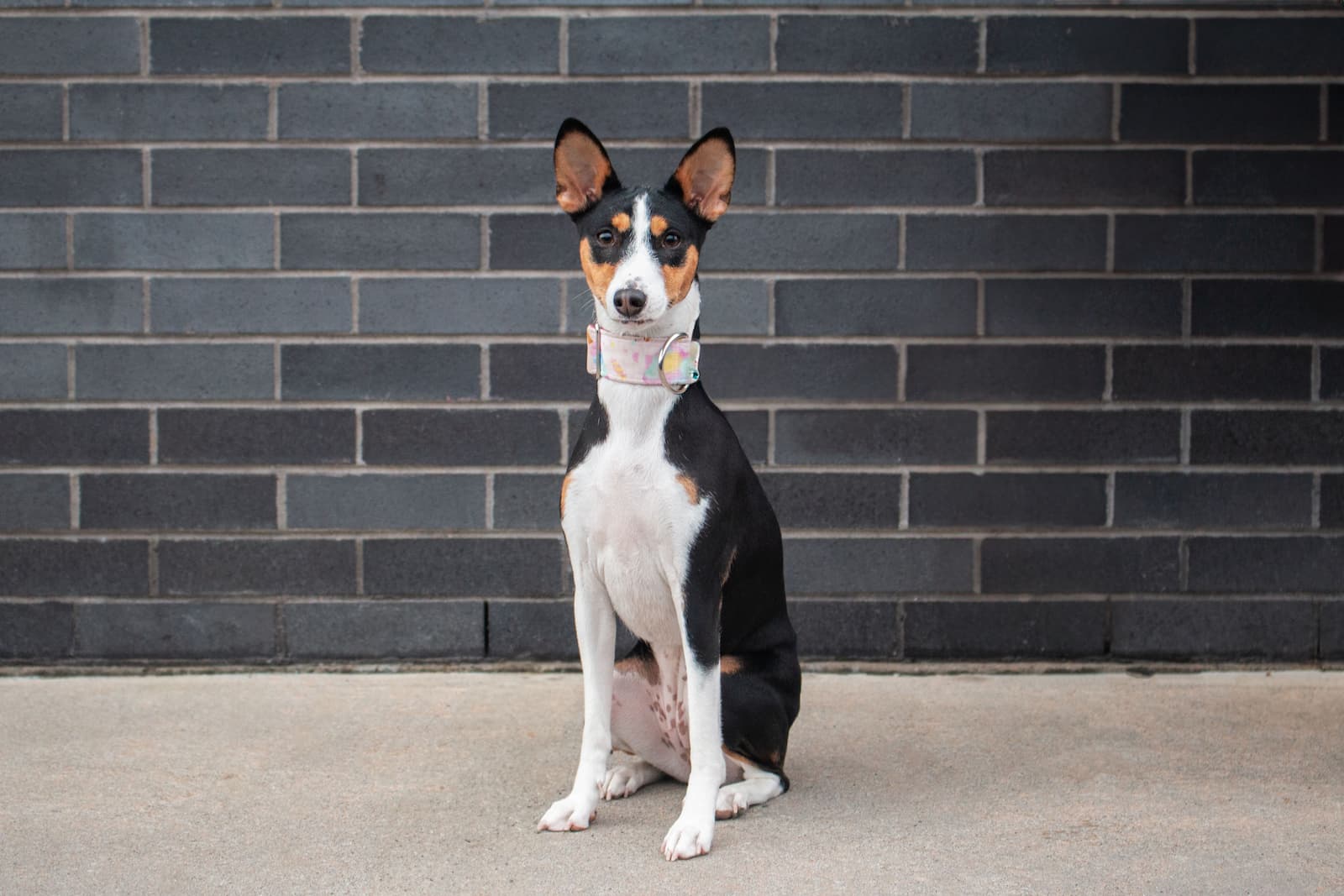
The famous trait, accurately explained
Basenjis have an unusually shaped larynx that prevents the typical bark most dogs produce — instead they make a yodel-like sound often called a "baroo." This is a genuine, well-documented breed trait, not a myth or a training outcome. It's the single biggest reason this breed appears repeatedly in our quietest breeds guide and apartment breeds guide.
Temperament — the part that trips people up
This is where "quiet apartment dog" framing can genuinely mislead someone. Basenjis are independent, intelligent, and were originally bred in Central Africa for hunting — largely without close, constant human direction. That heritage shows up as a strong-willed, sometimes stubborn personality that doesn't respond to training the way a Labrador or Golden Retriever does. They're often described as cat-like: affectionate on their own terms, not eager to please by default.
Not a beginner breed
Basenjis reward experienced, patient, consistent handling. A first-time owner expecting quick obedience-class results is more likely to get frustrated than a Basenji is to change its approach. See our first-time owner guide for breeds better suited to a first dog.
High prey drive
Bred for hunting small game, Basenjis often have a strong instinct to chase — cats, squirrels, anything that moves quickly. Secure fencing and a reliable leash habit matter more here than for most companion breeds.
Grooming and exercise
Short, close coat that essentially self-cleans — genuinely minimal grooming time, sometimes compared to a cat's self-grooming habits. Exercise needs sit in the moderate range: not as demanding as a working breed, but more than a true couch-potato breed like a Bulldog or Greyhound.
Health
As a landrace-adjacent breed with a smaller but genetically distinct founding population, Basenjis carry a few breed-specific conditions worth screening for — notably Fanconi syndrome (a kidney condition) and progressive retinal atrophy. Reputable breeders test for both; ask directly if buying rather than adopting.
Who actually succeeds with this breed
Someone who wants a quiet, low-shedding apartment dog and has either owned an independent-minded breed before or is genuinely prepared to invest in patient, consistent training from day one. It's a poor match for anyone expecting a biddable, eager-to-please companion, or a household with small pets that might trigger the chase instinct.
Curious how Basenjis compare to other quiet or low-maintenance options? See our low-maintenance breeds guide, or take the breed match quiz to check the fit against your own experience level.