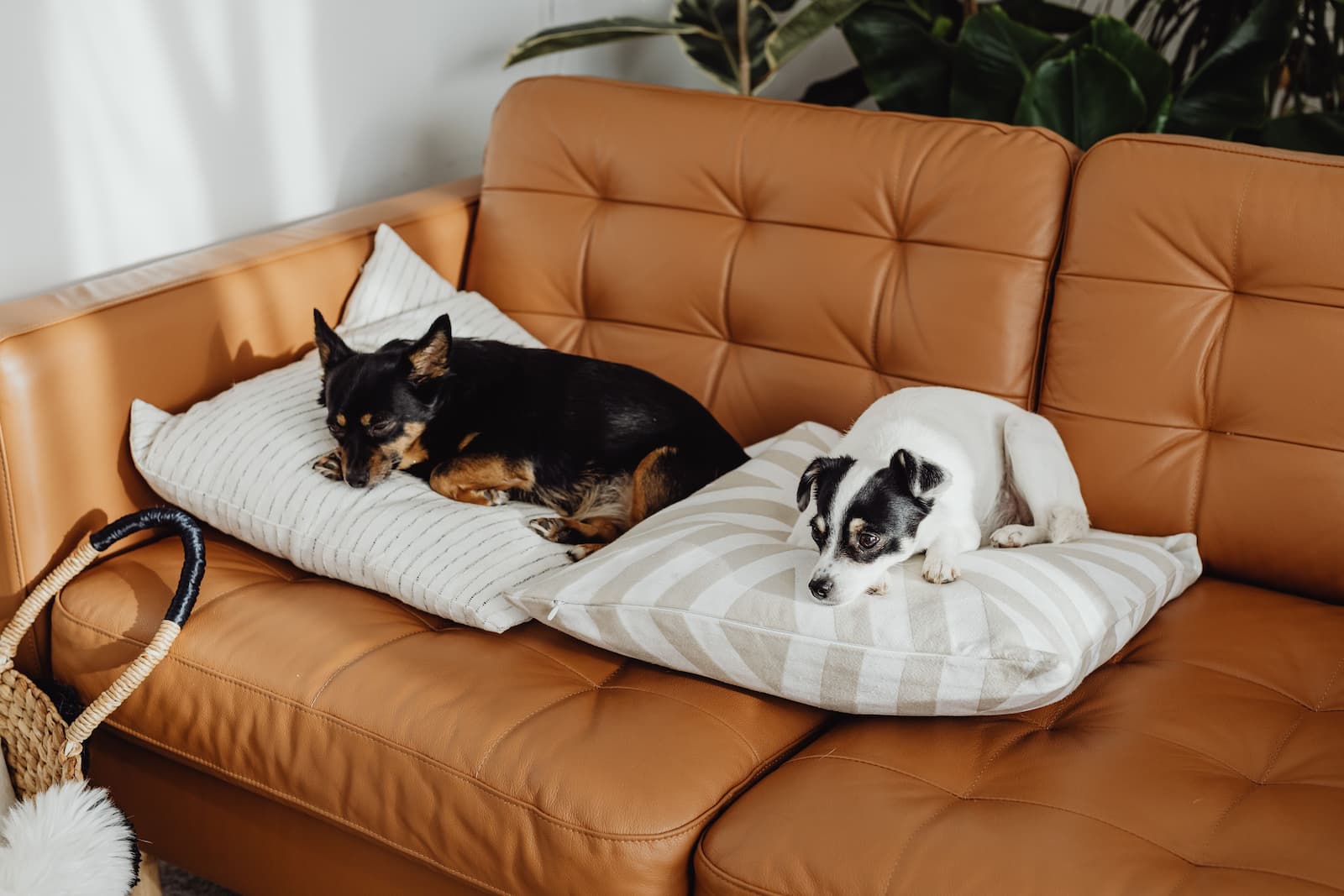
No dog is genuinely zero-maintenance — if you don't have any time for a dog, that's worth sitting with honestly before you get one. But "busy" covers a wide range, and the breeds that suit a person working a standard 9-to-5 with evenings and weekends free look different from the breeds that suit someone traveling constantly or working unpredictable shifts. Before picking a breed, be specific about which kind of maintenance you're actually short on: time for daily exercise, time for grooming, or time for training and mental engagement.
Low on grooming time
Basenji
Short, close coat that essentially self-cleans — Basenjis are sometimes described as cat-like in how much they groom themselves. Occasional brushing is plenty.
Boxer
Short coat, infrequent shedding relative to double-coated breeds, and no professional grooming needed. The tradeoff shows up in the energy section below — this isn't a low-exercise breed.
French Bulldog
Coat care is trivial, but the face wrinkles need a quick wipe-down periodically to prevent skin irritation. Five minutes a week, not a burden, but worth knowing it's there.
Low on exercise time
Greyhound
Sprinters, not distance runners — a couple of 20-minute walks covers most of their needs, with occasional off-leash sprint time in a securely fenced area as a bonus, not a requirement.
Bulldog (English)
Genuinely doesn't need or want much exercise. Worth knowing this comes with real, well-documented breed health considerations — breathing and joint issues are common — so factor higher potential vet costs into "low-maintenance" here.
Shih Tzu
Happy with a couple of short walks a day. Grooming is the real time cost for this breed, not exercise — see our apartment breeds guide for the coat-care tradeoff.
Low on training/mental-engagement time
This is the category most "easy breed" lists skip entirely, and it's often the one that actually breaks down for busy owners. A dog that needs minimal grooming and minimal exercise but is highly food- and puzzle-motivated (many terriers, for instance) can still become a handful without regular mental stimulation — bored dogs redirect that energy into chewing, digging, or barking.
Cavalier King Charles Spaniel
Eager to please and easy to train in short sessions, but genuinely not suited to long stretches alone — this breed's real maintenance cost is companionship time, not activity.
Mixed-breed / shelter dog
Worth repeating here too: shelter staff can often tell you a specific dog's real trainability and independence level from weeks of direct observation, which is more reliable than a breed guess for this particular axis.
A handful of well-made puzzle feeders and a 15-minute daily training habit close most of this gap regardless of breed. [Affiliate link: recommended puzzle feeder — replace with your Chewy/Amazon link.]
Breeds people assume are low-maintenance and aren't
Poodles get lumped into "easy" lists constantly because of their intelligence and low shedding, but that coat needs a professional groomer every four to six weeks — both a real cost and a real time commitment most "low-maintenance" framing leaves out. Golden Retrievers get the same treatment for temperament, while quietly being one of the higher-shedding, higher-exercise breeds on any list.
Take the breed match quiz to weigh your specific time constraints — grooming, exercise, and training — against real breed data instead of a single "easy" label.