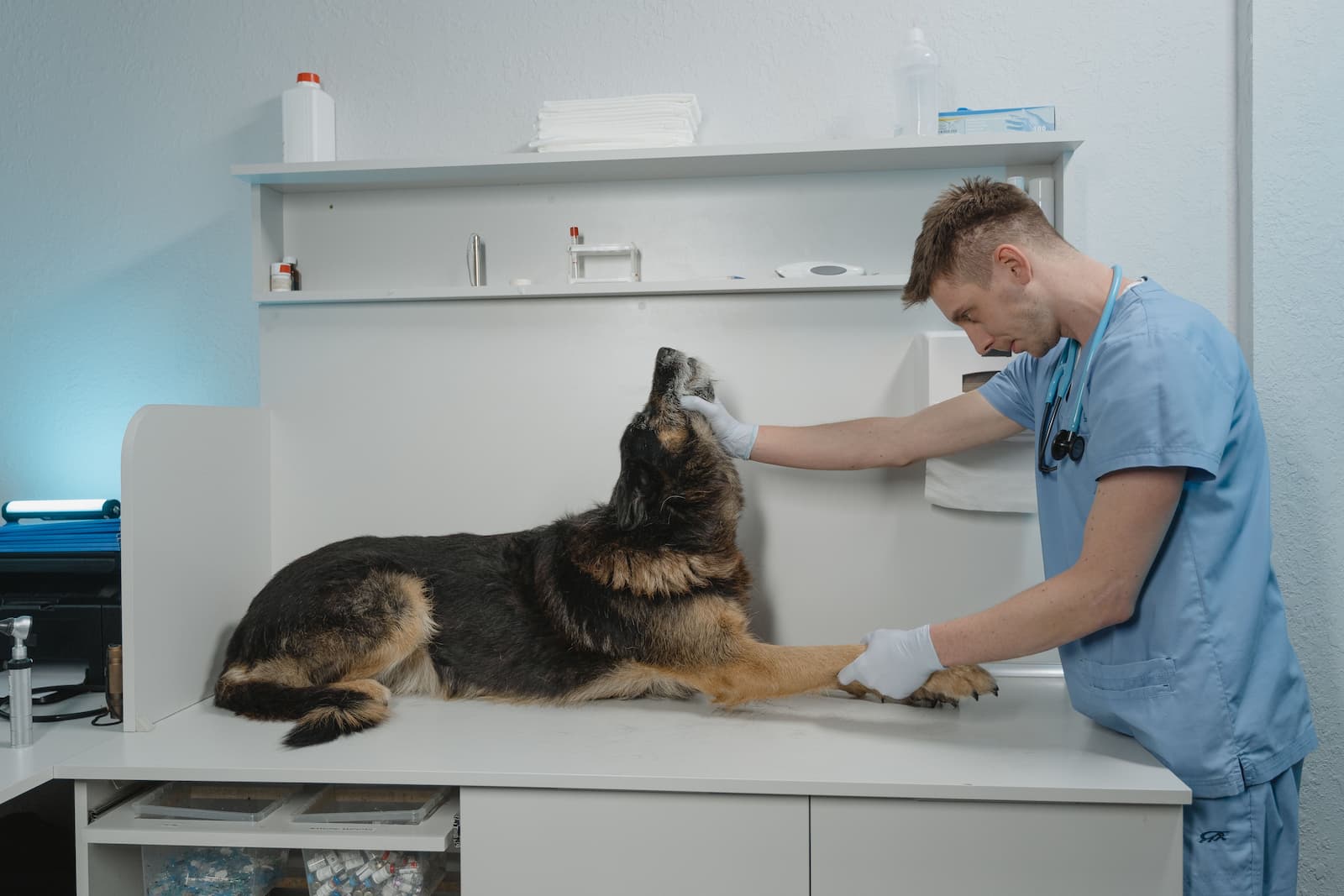
Most "cost of owning a dog" content leads with a single scary-sounding annual number and moves on. The more useful version breaks it into what's genuinely optional, what's non-negotiable, and what depends entirely on the breed decisions covered elsewhere on this site.
Year one: the one-time setup costs
Adoption fee or purchase price
Shelter adoption typically runs far less than buying from a breeder, and often includes initial vaccinations and spay/neuter already done — worth factoring in when comparing the two routes.
Initial gear
Crate, bed, bowls, leash, harness, ID tag — see our full puppy shopping checklist for exactly what's worth buying now versus later.
Spay/neuter, if not already done
One of the larger one-time costs if adopting a puppy or buying from a breeder rather than a shelter that includes it. Cost varies significantly by location and by the dog's size.
Initial vet visits and core vaccinations
A puppy typically needs a series of vaccinations over the first few months, not a single visit — budget for three to four appointments in year one alone.
Every year after: the ongoing costs
Food
Scales directly with the dog's size — a Chihuahua and a Labrador are not remotely the same annual food cost. Breed-appropriate portioning matters for both budget and the dog's health.
Routine vet care
Annual checkups, core vaccine boosters, flea/tick and heartworm prevention. This is the baseline — before anything goes wrong.
Grooming
Ranges from near-zero for a short-coated breed to a real recurring line item for a Poodle or Shih Tzu needing a professional groomer every 4–6 weeks. Covered breed-by-breed in our low-maintenance breeds guide.
Pet insurance
Genuinely one of the better-value ongoing costs, specifically because it converts an unpredictable, potentially enormous emergency bill into a predictable monthly one. Worth enrolling before any symptoms appear — see our genetics and health guide for why some breeds make this more urgent than others.
The costs first-time owners consistently underestimate
Emergency vet visits
Not routine care — the unplanned ones. Even with insurance, an emergency vet visit typically involves an upfront payment before reimbursement, worth keeping some cash buffer available for regardless of coverage.
Boarding or pet sitting
Easy to forget when budgeting from a dog-free life. Travel, even occasional, now has a real recurring cost attached.
Training classes
Optional in theory, genuinely valuable in practice — especially for higher-drive or independent breeds covered in our first-time owner guide.
Breed-specific health costs
The single biggest budget variable on this whole list, and the reason breed research matters financially, not just as a lifestyle question — see our French Bulldog and Cavalier King Charles Spaniel profiles for two breeds where this is especially worth planning around.
Cost varies enormously by breed, size, and location — there's no single honest number that applies to every dog. What's consistent is the shape of the spending: a real spike in year one, a steady baseline every year after, and breed-specific health risk as the biggest variable within your control at the decision stage.
Factor cost alongside lifestyle fit in the breed match quiz, or start with our full decision framework.