"Active" is one of the most overclaimed traits in dog ownership — plenty of people who consider themselves active mean a 30-minute walk most days, not the 60–90 minutes of real running, hiking, or working activity these breeds are actually bred to need. Be honest about which one you are before picking from this list; the breeds below are genuinely difficult, not just energetic, when under-exercised.
Built for distance running
Vizsla
Bred as an all-day hunting companion, and it shows — Vizslas are known for developing real anxiety and destructive habits without serious daily output. A genuinely excellent running partner for someone who actually runs most days.
Weimaraner
Similar profile to the Vizsla — high stamina, bred for endurance fieldwork. Needs both physical exercise and a job to do; a tired-out Weimaraner without mental stimulation still finds trouble.
Labrador Retriever
Less intense than the two above but still a genuine distance companion, and considerably more adaptable if your schedule has an off day. Covered from the family angle in our family breeds guide.
Built for hiking and varied terrain
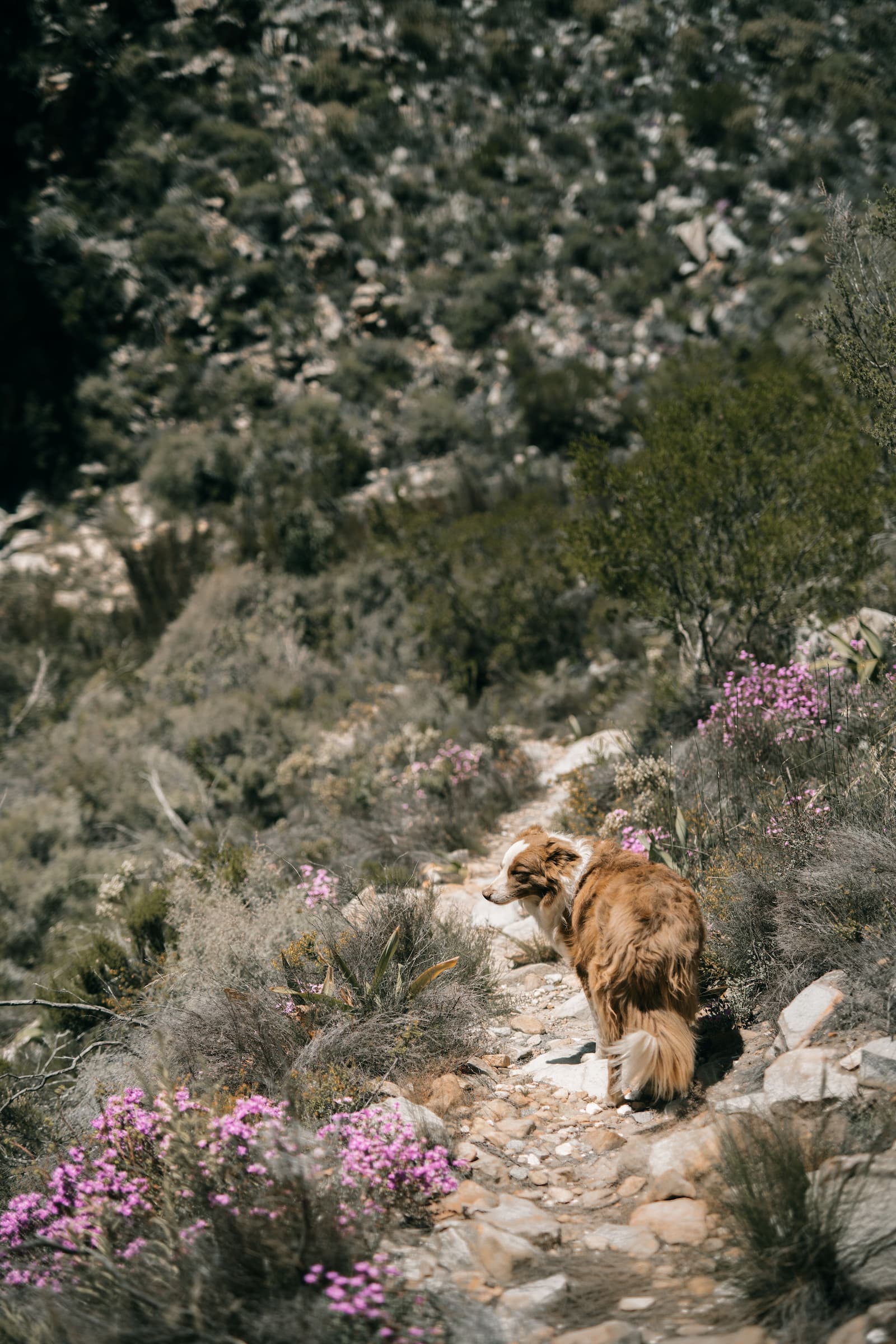
Australian Shepherd
Herding stamina translates well to hiking, agility, and varied outdoor work. The intelligence that makes this breed excellent on the trail is the same trait that makes it genuinely difficult indoors without an outlet — see our first-time owner guide for why this isn't typically a beginner pick.
Border Collie
Widely considered the most trainable breed, and the best-suited on this list to serious trail mileage plus off-leash recall work. Genuinely one of the hardest breeds to keep satisfied without consistent, real output — not a casual-hiker breed.
Built for water and retrieving work
Standard Poodle
Often underestimated as an active breed because of its show-dog reputation, but Standard Poodles were originally water retrievers and have real stamina for swimming and field work. Low-shed coat is a genuine bonus for anyone who wants an active dog without the fur cleanup.
Chesapeake Bay Retriever
Built for cold-water retrieving, with a weatherproof coat and genuine endurance. Less common than a Labrador but a strong pick for someone specifically doing water-based activity regularly.
These aren't breeds that quietly adjust to a slower pace. Under-exercised high-drive dogs commonly develop destructive chewing, excessive barking, and anxiety-driven behaviors that get mislabeled as "bad temperament" when the real cause is unmet need. If your schedule is inconsistent, a moderate-energy breed with a dog walker or daycare on the busy days is a more honest match than hoping willpower fixes the gap.
Compare this against your real weekly schedule in the breed match quiz, or see the opposite end of the spectrum in our low-energy breeds guide.